
Visa
Germany Job Seeker Visa Checklist (2026): Documents, Translations, Copies, and Common Missing Items

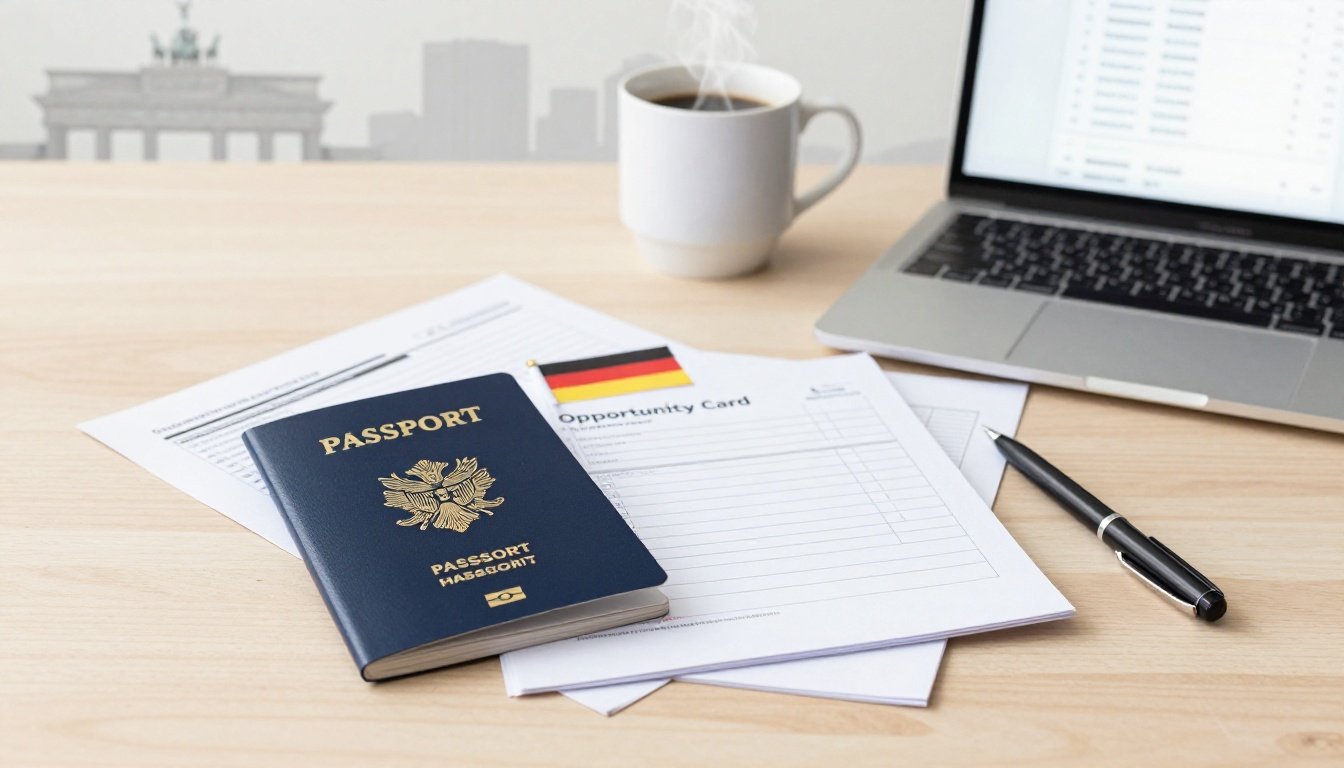
If you’re applying from Pakistan (or any non-EU country), the Germany “job seeker visa” topic can feel like a moving target. People share old checklists, agents mix visa names, and one missing paper can cost you weeks.
Here’s the clear update for 2026: what most people call the “Germany Job Seeker Visa” is now mostly the Opportunity Card (Chancenkarte) route. The paperwork looks similar, but the logic is stricter: prove who you are, what you can do, how you’ll fund your stay, and that your job hunt is realistic.
This guide gives you a simple checklist, what documents matter most, when you need certified German translations, how many copies to bring, and the common missing items that cause delays or refusals.
Quick 2026 checklist you can screenshot before your embassy appointment
Use this as your quick “don’t-forget” list before you leave home:
- Passport: Valid, with enough validity left (safe rule: at least 3 months beyond your planned stay). Bring the bio page copy too.
- Biometric photos: Usually 2 photos (35×45 mm), light background, recent.
- Application form + declarations: Completed and signed (missing signatures are a classic delay).
- CV (resume): Clear and readable, ideally in a simple German-style format.
- Motivation letter: Short, focused, explains your job search plan and why Germany.
- Qualifications: Degree or vocational certificates (plus training documents if relevant).
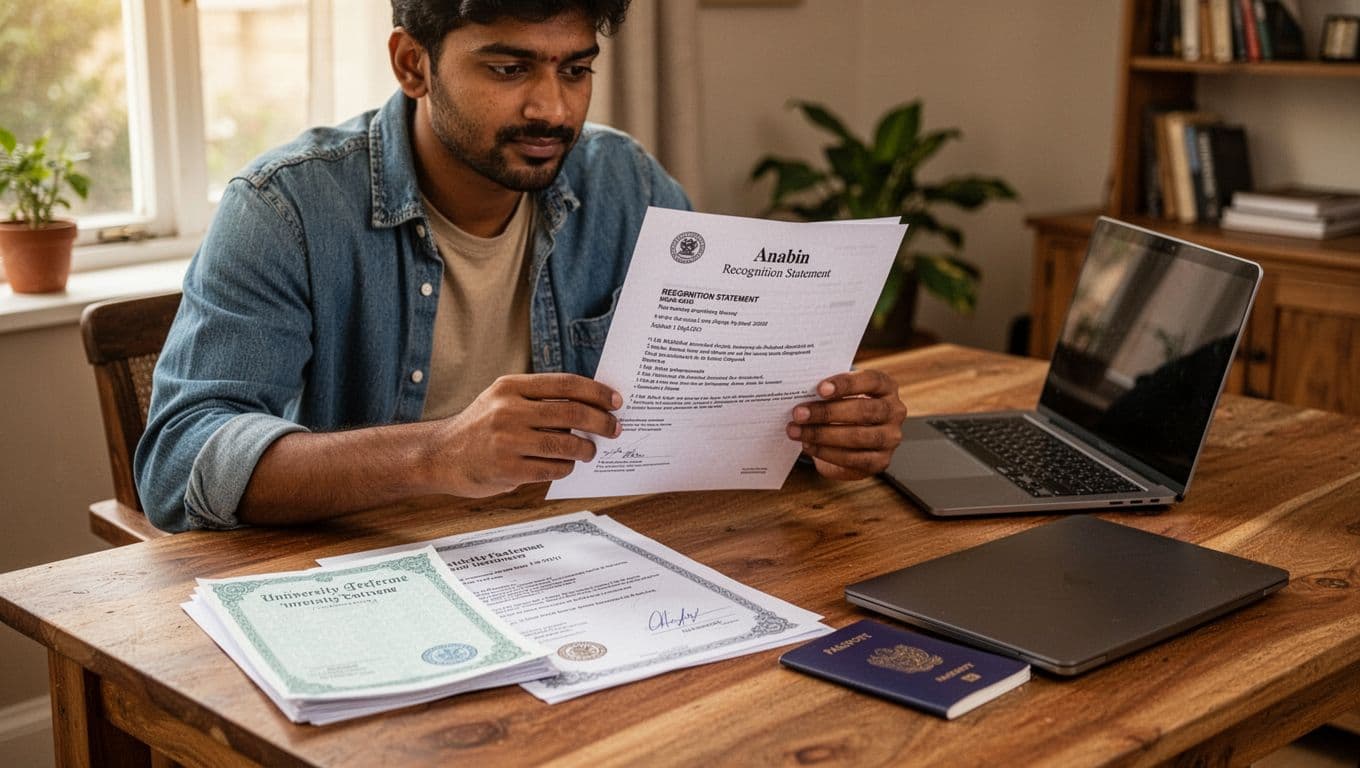
- Recognition proof: Anabin printout or ZAB statement (very often requested).
- Proof of funds: Blocked account (Sperrkonto) or sponsor Verpflichtungserklärung.
- 2026 blocked amount: €1,091 per month (about €13,092 for 12 months).
- Health insurance: Travel insurance for entry, plus a plan for coverage during your stay.
- Accommodation proof: Booking, rental, or invitation, at least for the first weeks.
- Copies of everything: Originals plus 1 to 2 sets of photocopies (details below).
Embassies can ask for extra documents based on your case, such as work references, language proof, or additional bank evidence. Before you print, check the official checklist for the city and embassy where you apply.
Documents that matter most, and what officers look for when they scan your file
When a visa officer flips through your documents, they aren’t reading every line. They scan for four things: identity, qualifications, money, and a credible plan.
Think of your file like a puzzle. If one piece looks off, the officer pauses, and your timeline slows down.
For a Pakistan-based software developer, the “plan” might be job roles (backend developer, DevOps), target cities (Berlin, Munich, Hamburg), and proof you can interview quickly. For an engineer, they want to see the degree plus recognition evidence, and a job search that matches your specialization. For a nurse, the officer will focus on licensing and language, because healthcare jobs are regulated.
If your documents don’t tell one simple story, the interview questions get harder.
Identity and application papers that must match perfectly
Start with the basics, because small mismatches cause big headaches.
Your application form and declarations must be filled correctly and signed. Signatures often get missed on the last page or on consent statements. Also check dates. A wrong date can look like you rushed or copied an old form.
Your passport copy should be clear, with no cut edges. Photo rules matter too. Many applicants bring the wrong size (not 35×45 mm) or older photos that don’t match their current look.
Name consistency is another common problem for applicants from Pakistan. Sometimes the passport has one spelling, the degree has another, and the bank letter adds a third. If your documents include a father’s name in some places but not others, keep it consistent where you can. If you have a spelling variation, it’s better to support it with official documents rather than hoping nobody notices.
Typical “fix it and come back” issues include: expired passport, missing signatures, unclear copies, wrong photo size, and missing photocopies of the passport bio page.
Qualifications and recognition proof (degree, vocational training, regulated jobs)
Germany cares about comparability. In plain words, they want to know your degree or training matches a German level.
That’s why recognition proof matters. For many applicants, the simplest path is an Anabin database printout showing your university and degree status. If Anabin doesn’t clearly cover your case, a ZAB statement can act as formal confirmation. If you only submit your degree and transcripts with no recognition proof, you risk delays, and sometimes refusal, because the officer can’t confirm equivalence quickly.
In regulated professions (for example nursing, medicine, pharmacy, law), recognition is not optional. You often need licensing steps and, in many cases, stronger German language proof. In 2026, the Opportunity Card can be points-based for some applicants, but recognition still affects credibility and what jobs you can accept.
Translations, photocopies, and notarization, how to package your documents the way embassies like
A strong file can still fail if it looks messy. Many applicants lose time due to three avoidable problems: uncertified translations, missing copies, and a file that’s hard to scan.
Your goal is simple: make it easy for the officer to check each requirement in seconds. If they can’t find a paper quickly, they may ask for re-submission even if you brought it.
Also remember that rules can vary by embassy and country. Some accept certain documents in English, while others want German translations. Because of that, use the embassy’s list as the final authority.
When you need certified German translations, and what counts as certified
Safe rule: if a document is not in German, expect that you may need a certified German translation.
“Certified” usually means done by a sworn translator (or a translator authorized to certify translations in that country). Self-translations don’t count. A translation from a random shop, without certification, often doesn’t count either.
Many applicants assume English is always accepted. Sometimes it is, but don’t bet your appointment on it. Degree documents, civil documents, and some financial papers might still need German translations depending on your embassy’s checklist.
If your documents are in Urdu, Punjabi, Arabic, or any other language, a certified German translation is commonly expected. Plan time for this early, because good translators get busy near peak visa seasons.
How many copies to bring, and the easiest way to organize your file
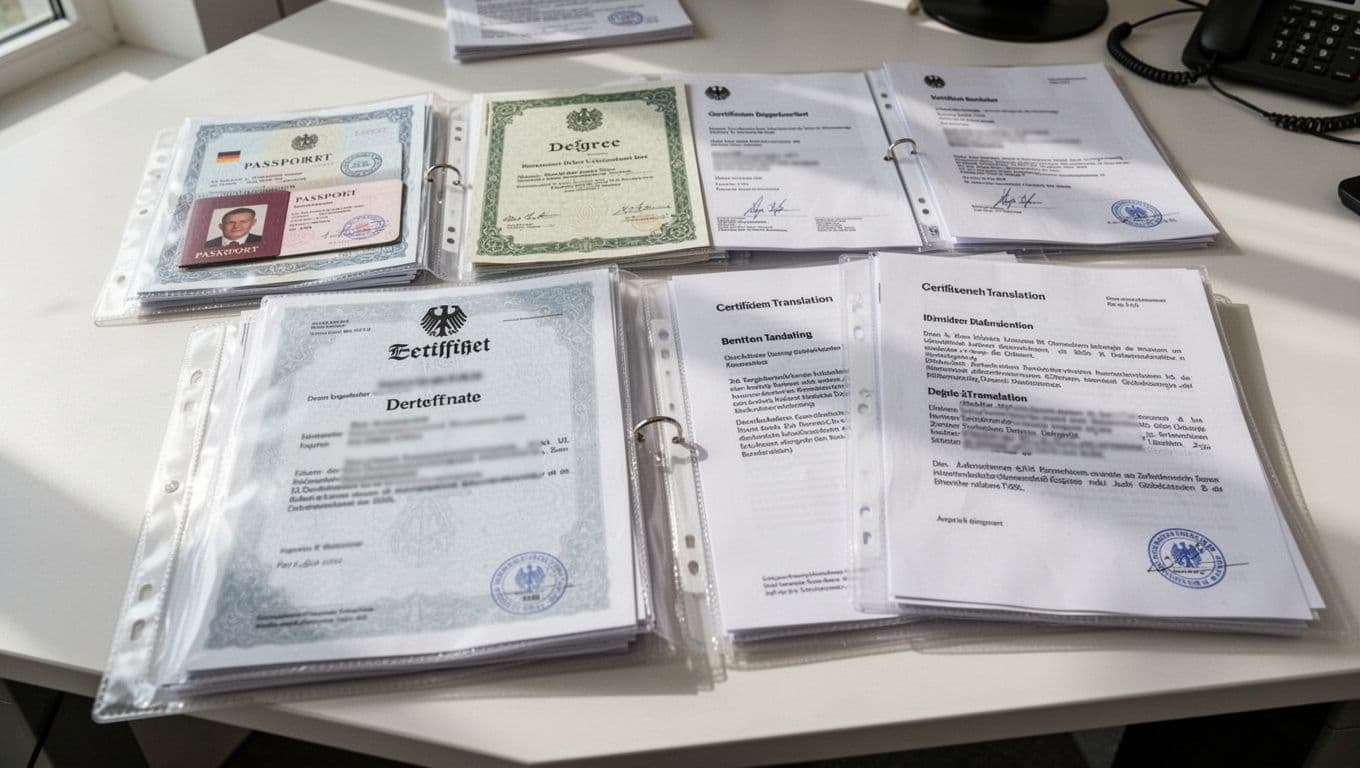
A practical rule that works for many applicants: bring originals plus 1 to 2 full sets of photocopies. Some embassies keep one set and return originals after checking. Others want an extra copy set for internal handling.
Use a simple packaging system:
- Keep originals in one clear folder.
- Keep copy set 1 in a second folder.
- Keep copy set 2 (if you bring it) clipped together, as backup.
Organize each set in the same order: forms, passport, photos, CV and motivation letter, qualifications and recognition, funds, insurance, accommodation. Put sticky notes on the folder tabs if you like, but don’t attach anything to the original documents that might damage them.
Carry extra copies of the passport bio page, recognition proof (Anabin or ZAB), blocked account confirmation, and insurance letter. Those pages get requested again and again.
Common missing items that delay approvals (and how to fix them fast)
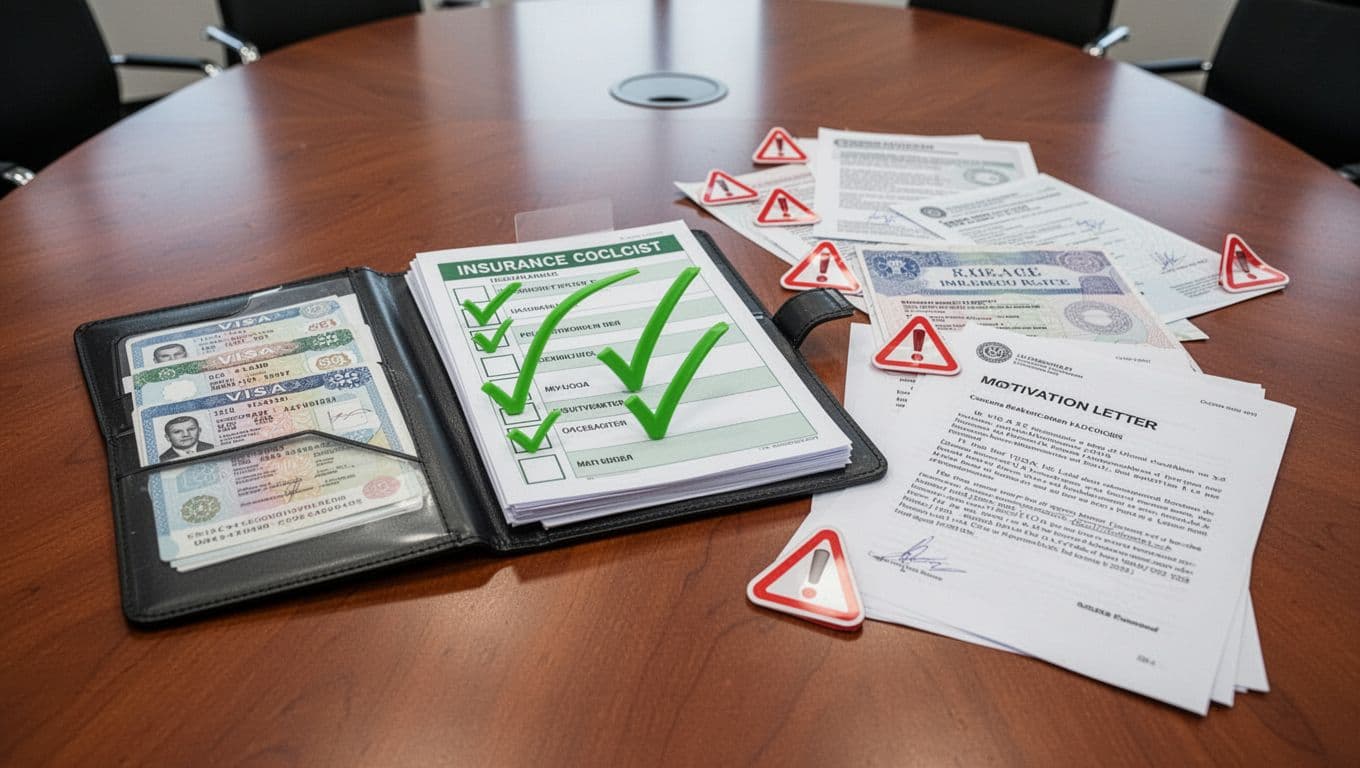
Even strong applicants get stuck for basic reasons. In 2026, the most common missing or weak items look like this: outdated blocked account amount, no recognition proof, missing certified translations, weak motivation letter, wrong insurance type, and unclear accommodation.
Processing times often land around 4 to 12 weeks after your appointment, depending on the embassy and your background checks. Missing items add weeks because the embassy pauses the file, sends an email, then waits for your reply, and then queues you again.
Money proof problems, blocked account amount, sponsor letters, and outdated numbers
The 2026 number matters. If your blocked account shows less than €1,091 per month (around €13,092 for one year), the officer may treat it as not enough.
Common mistakes include showing only a regular bank statement, submitting a blocked account that isn’t activated, or presenting unclear funding sources. Another mistake is relying on a sponsor without the correct legal format. A sponsor letter is not the same as a Verpflichtungserklärung.
Quick fixes people use successfully:
- Update the blocked account to meet the current amount.
- Print the blocked account confirmation, and show it’s active and in your name.
- If using a sponsor, arrange a proper Verpflichtungserklärung and attach sponsor ID and proof of income (as required by the German office that issues it).
Plan and credibility gaps, the real reason many files get rejected
Sometimes the documents are complete, but the story doesn’t convince.
A motivation letter that says “I will search for jobs in Germany” is too vague. Officers want a real plan, with roles, cities, and a timeline. Your CV should match the story you tell in the interview. If your CV says you’re a data analyst, but you talk about sales jobs, it creates doubt.
Simple ways to show credibility:
- Add 10 target employers (even as a short list in your letter).
- Mention the cities you’ll focus on and why (industry clusters, language comfort, contacts).
- Show how you’ll get interviews: portfolio link, LinkedIn, GitHub for tech roles.
- For vocational routes, include language proof like B1 German when your path requires it.
FAQs about Germany Job Seeker Visa and Opportunity Card documents (2026)
Is the Germany Job Seeker Visa still available in 2026, or is it now the Opportunity Card?
In 2026, most non-EU applicants mean the Opportunity Card (Chancenkarte) when they say “Germany Job Seeker Visa.” The older job seeker path still exists in limited cases, often tied to people who studied or trained in Germany and want to stay to find work. For applicants applying from Pakistan with foreign qualifications, the Opportunity Card is usually the relevant route.
Do I need certified German translations for every document?
Safe rule: expect certified German translations for non-German documents. Still, requirements vary by embassy. Some accept certain documents in English, while others want German translations for the full set. Always confirm with your local German embassy checklist before paying for translations.
How many photocopies should I take to the German embassy?
Bring originals plus 1 to 2 sets of photocopies. Extra copies save you when the counter asks for one more set for a different section. At minimum, carry spare copies of the passport bio page, recognition proof, proof of funds, and insurance.
What proof of funds is accepted, and what is the blocked account amount for 2026?
Common options include a blocked account (Sperrkonto) or a sponsor Verpflichtungserklärung. For 2026, the blocked account amount is €1,091 per month (about €13,092 for 12 months). Using older amounts is a common reason for delays.
What are the top reasons applications get delayed or refused?
The most common reasons are missing recognition proof (Anabin or ZAB), missing certified translations, insufficient funds, incorrect insurance, wrong photo specs, and an unclear job search plan. Keep every document consistent, then use a checklist and re-check signatures and copies the day before your appointment.
Conclusion
Applying for Germany’s job seeker route in 2026 is less confusing when you treat it like a simple file audit. Start with the 2026 checklist, then lock in your recognition proof early (Anabin or ZAB). After that, focus on certified German translations when required, and bring enough copies so the embassy doesn’t send you back to the photocopy shop.
Most delays come from the same places: weak money proof, missing recognition, incorrect insurance, wrong photos, and a motivation letter that says nothing real. Fix those, and your application looks serious from the first page.
Before you print your final set, double-check your local German embassy list, because small local rules can make a big difference on appointment day.



Airport counters don’t care that your agent said, “Visa done hai.” They only care what Saudi Arabia’s system shows for your umrah visa status. That’s why an umrah visa check should be a normal part of your planning, not a last-minute panic.
This guide helps Pakistani pilgrims confirm an Umrah visa is real, approved, and ready to use. Status can change after submission, after payment, or after a correction. A quick online check can prevent stress at the airport, agent mix-ups, and scams.
You’ll use official Saudi portals, and you’ll keep a few details ready so the check works on the first try.
Get your details ready first, so your Umrah visa check works on the first try
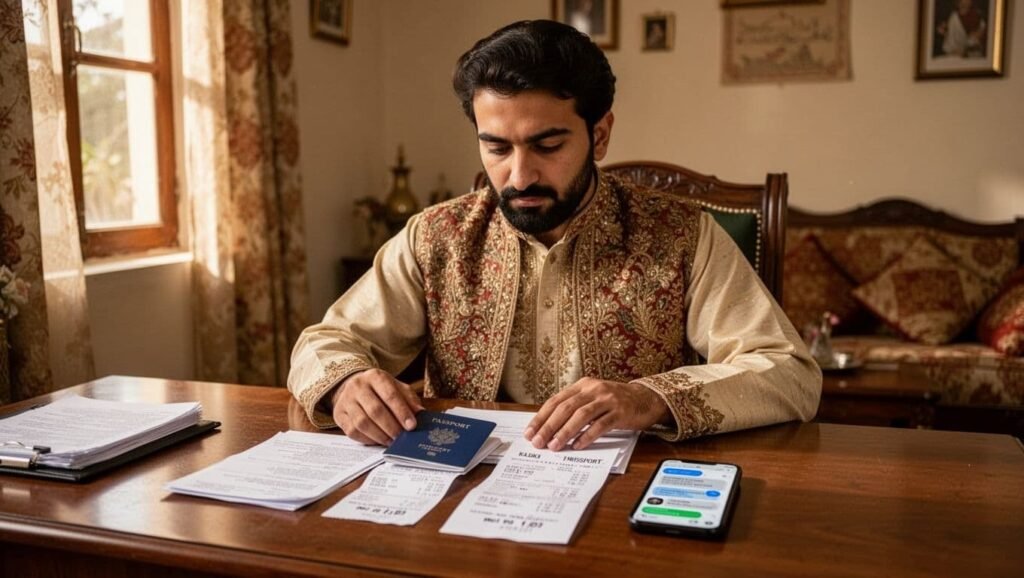
Most Pakistani pilgrims apply through an agent, so the first step is simple: ask for the same reference details the agent used. If an agent can’t share them, treat that as a warning sign.
Collect these items from your application record (PDF, email, payment receipt, or a WhatsApp screenshot from your agent):
- Passport number: The passport you’ll travel on. This is the anchor for most checks.
- Order ID / Order number: A reference created when the application is submitted or paid. Many portals use it to pull your file.
- Application number: Another tracking reference tied to your submission. Some systems call it “application ID.”
- Visa number (or visa document number): Usually appears after approval. This helps with printing and verification.
Also keep your first name, date of birth, and nationality (Pakistan) handy, because some pages ask for them.
If your agent only sends a blurry “visa picture,” but no order ID or application number, pause and verify before paying more.
The numbers you may need: passport number, order number, application number, and visa number
These terms get mixed up a lot, even by agents. Here’s the plain meaning:
Passport number is your travel document ID. Use the same passport that was entered in the application.
Order number (Order ID) usually links to your payment and submission. Many travelers do an umrah visa check by passport number plus order ID.
Application number is a submission reference. It can exist even before approval.
Visa number appears when the visa is issued. You often need it to print or confirm the final eVisa.
Small typing mistakes cause most “no record” results. Watch for these common errors: mixing 0 and O, adding extra spaces, skipping a digit, or using the wrong passport number (old passport, renewed passport, or a family member’s number copied by mistake).
When to check your Umrah visa status online and how often to re-check
Timing matters because systems don’t always update the same minute your agent submits.
A practical routine works well:
First, check 24 to 48 hours after submission if nothing shows right away. Next, check again as soon as your agent says it’s approved, because you want the visa number and the final PDF. Finally, re-check 24 to 72 hours before travel. That last check catches issues like corrections, cancellations, or a document that never issued properly.
Even if everything looks fine, a final umrah visa online check is like checking your boarding pass the night before. It costs little and can save your trip.
How to Check Umrah Visa Status Online Using Official Saudi Sites (Step by Step)

For most Umrah travelers in February 2026 to Makkah and Madina, the official place to check and manage an Umrah eVisa is the Saudi eVisa portal at visa.visitsaudi.com. However, some agents file through other official government workflows, such as mutamer package inquiry, depending on visa type and traveler profile. So, match the portal to the references your agent gave you.
Keep one rule: only use official websites of Saudi government domains, like those of the Ministry of Hajj and Ministry of Foreign Affairs. Fake “visa status” pages often look real, then ask for payment or personal data.
MOFA visa inquiry (mofa.gov.sa eServices): a common check when you have a visa document number
If your agent gives you a visa document number or tells you the visa is “on MOFA,” use the mofa website that provides visa inquiry and printing options for issued visas.
General flow (labels can vary slightly on the page):
- Open MOFA eServices and go to Visa Services.
- Choose an inquiry option (often by visa number or application reference).
- Enter the requested details (commonly visa number plus another reference like an order number or passport number).
- Enter the captcha code, then click the search button.
Status wording varies, but it often maps to these visa issuance status meanings:
- Approved / Issued: Move to downloading and printing the eVisa proof.
- Pending / Under process: Wait, then check again later, don’t book non-refundable add-ons yet.
- Rejected: Ask your agent for the rejection reason, then correct and re-apply if possible.
If your agent can’t explain what reference to use, ask them to send a clear screenshot of the application references, not just a message saying “done.”
KSA Visa portal (ksavisa.sa): a backup for visa tracking when systems are busy
Some visas are tracked on ksavisa.sa under an application tracking option. This can help when another portal loads slowly, or when your application was created in that system.
Typical steps:
- Open ksavisa.sa and select Track Application (wording can differ).
- Enter your reference shown on the receipt.
- Add your passport number and any required personal detail.
- Submit to view the latest status.
Use this approach only when your reference numbers match that platform. If you keep trying random portals, you’ll see “no record found” and assume the visa is fake, even when it isn’t.
Verify your Umrah eVisa is real, then save proof for travel day
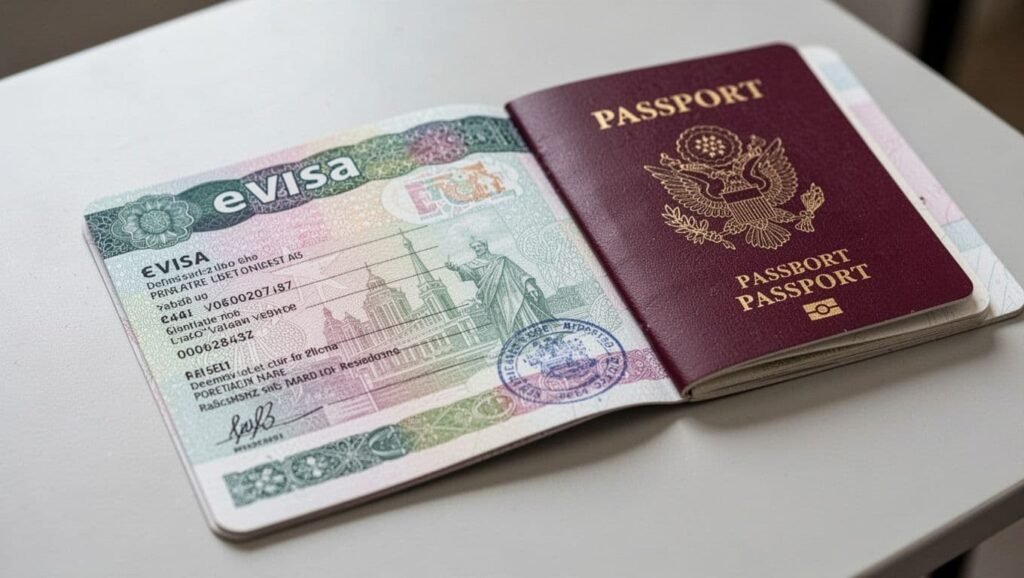
A umrah visa status screen helps, but the document matters more. For many travelers, the visa is electronic and linked to the passport, rather than a stamped physical label. Still, airlines often ask for a copy, and having it ready prevents delays at check-in.
Save your proof in three places: your phone, your email, and one printed page in your hand-carry.
Download and print your eVisa from the official portal (Print eVisa)
If you applied through visa.visitsaudi.com, log in and download the approved eVisa PDF from your account or the approval email. If your visa was issued through MOFA eServices, use the print umrah visa option there with the references your agent provided.
Once you get the PDF:
Keep one copy in your phone files for offline access. Email it to yourself so you can re-download it anywhere. Print at least one copy, and keep it with your passport.
This small habit saves time when a counter staff member asks for “visa copy” and the network is slow.
Quick accuracy check: name spelling, passport number, visa validity, and entry details
Before you travel, do a fast umrah visa verification using the visa document:
- Full name: Must match your passport spelling and order, including middle names if shown.
- Passport number: One wrong digit can block boarding.
- Date of birth and nationality: Confirm they match your passport bio page.
- Validity dates: Check the “valid from” and “valid until” dates.
- Visa type and entries: Make sure it fits your travel plan.
If anything is wrong, contact your agent immediately and ask for a correction through the same official system. Don’t travel hoping staff will “adjust it at the airport.” They won’t.
Fix common Umrah visa check problems and avoid scams in Pakistan

When a check fails, it doesn’t always mean the visa is fake. It often means the wrong reference was used, the system hasn’t updated yet, or the site is under heavy traffic.
At the same time, Pakistan has real Umrah fraud cases targeting pilgrims, especially through “too cheap” offers shared on social media. Your goal is simple: trust official portals and written proof.
If the site shows “no data found,” captcha errors, or pages won’t load
Try these fixes in order:
- Wait 24 to 48 hours after submission, then re-check.
- Re-type numbers carefully, and remove extra spaces.
- Refresh the image code, and try a different browser.
- Turn on cookies and JavaScript, because some portals need them.
- Switch networks (Wi-Fi to mobile data), then try again.
- If one portal is slow, try the MOFA website that matches your reference type.
Heavy traffic can cause temporary errors, especially close to peak travel weeks. Re-check later rather than paying someone to “fix” a problem that isn’t real.
Red flags of fake Umrah visas and what to ask your agent for
Watch for these warning signs:
- The “status” only appears on a random website, not an official website.
- The agent refuses to share order ID or visa number.
- You receive a blurry PDF or screenshot with mismatched passport details.
- You’re pushed to pay fast, with threats that “price will double tonight.”
- Names, passport number, or dates don’t match your passport exactly.
Ask your agent for (1) the official reference numbers and package details, (2) the final eVisa PDF, and (3) a clear payment receipt. Also keep the agency’s office details and license information for your own record.
Conclusion
A safe routine is simple: collect your details, track application by running an umrah visa check on the official portal that matches your application, and use a backup portal only when the reference fits. After approval, download the eVisa, verify every key field, then save it in your phone, email, and a printed copy. Finally, re-check your umrah visa status a day or two before departure. If any detail doesn’t match your passport, act the same day and get it corrected before you travel to Saudi Arabia.
Planning to move to Germany for work from Pakistan can feel like assembling a puzzle with missing pieces. The good news is that the process becomes clear once you pick the right visa route and prepare your paperwork early.
This 2026 guide explains the main options, what you need before you apply, and the exact steps from Pakistan. Most people fall into two paths: (1) you already have a German job offer (Skilled Worker or EU Blue Card route), or (2) you need time in Germany to search (Opportunity Card or Job Seeker Visa).
If you start document prep now, you’ll avoid the delays that stop many applications. You can do this, but only if you treat your paperwork like a project, not a last-minute task.
Pick the right Germany visa route based on your situation
Before you book any appointment, decide what you’re applying for. Germany doesn’t have “one” work permit visa. It has different residence titles based on your job offer, qualification level, and plan after arrival.
Here’s a plain-language comparison to help you choose.
| Route | Best for | Job offer required? | Time allowed | Work allowed while searching | Key 2026 numbers |
|---|---|---|---|---|---|
| Skilled Worker (qualified professional) | Degree or vocational training, matched job | Yes | Usually up to 4 years | Not applicable | Age 45+ first time: €55,770 salary rule (or pension proof) |
| EU Blue Card | University degree and higher-paying role | Yes | Linked to contract, path to faster PR | Not applicable | Minimum salary: €45,630 (2026), Age 45+ rule can still apply |
| Opportunity Card (Chancenkarte) | You want to job hunt in Germany | No | Up to 1 year | Yes, up to 20 hours/week plus trial jobs | Funds: €12,324, Fee: €75 |
| Job Seeker Visa | Traditional job search route | No | Up to 6 months | Generally no regular employment | Funds required (show enough for stay) |
The simplest rule is this: if you have a strong job contract, apply as a worker. If you don’t, apply for time to search, but expect tougher questions about money and planning.

If you already have a job offer, apply as a skilled worker (or EU Blue Card when it fits)
A “job offer” means a real contract or binding offer from a German employer, not a casual email. Your role should be qualified and connected to your training and experience. Consulates often look for clarity on salary, weekly hours, start date, and job duties.
For the Skilled Worker visa, Germany expects proof that you’re qualified, usually through a recognized university degree or at least two years of vocational training. The residence permit commonly matches your contract and can be granted for up to four years.
The EU Blue Card is usually the better fit when your job pays well and your degree is recognized. It can also shorten your path to permanent residency in Germany (often cited as 21 to 33 months depending on language level and other factors). Still, the Blue Card is not “automatic.” Your contract and qualification recognition must align.
If you’re 45 or older and applying for the first time for qualified employment in Germany, a salary threshold can apply. As of the 2026 figures referenced in official guidance, the gross annual salary should be at least €55,770 or you must show adequate pension provision. That number trips up many applicants who otherwise qualify.
Regulated professions can add an extra layer. Doctors, nurses, engineers in certain roles, and similar fields may need licensing or formal approval before a visa decision. Requirements vary by job and federal state, so plan extra time if your profession is regulated.
A strong contract is only half the story. The other half is proving your qualification matches German standards.
If you don’t have a job offer yet, use the Opportunity Card or Job Seeker Visa
If you can’t secure a job from Pakistan, Germany offers two main “search first” routes.
The newer option is the Opportunity Card (Chancenkarte). In 2026, it can allow you to stay in Germany for up to one year to search for work. It also allows part-time work up to 20 hours per week, which can help you cover costs and get local experience. In addition, you can do short trial jobs of up to two weeks per employer, which is useful for interviews that turn into practical tests.
However, Germany wants proof that you can support yourself. A common method is a blocked account. For the Opportunity Card, the financial proof figure is €12,324 for the year. You may also qualify with other acceptable proof, such as a sponsor declaration, depending on your case and consulate instructions.
Germany also checks that you’re prepared for the job market. Applicants often support their application with a clear CV, a job search plan, and language proof. Current guidance mentions language such as A1 German or B2 English being used to meet criteria for the Opportunity Card, depending on how you qualify.
The Job Seeker Visa is the older route. It typically allows six months in Germany to find a job, and then you switch to a work residence permit after you sign a contract. It can be a good fit if your degree is clearly recognized and you have a focused target role. On the other hand, if you want more time and the ability to work part-time while searching, the Opportunity Card often feels more practical.
Get your documents ready before you apply (this is where most delays happen)
Most refusals and delays aren’t about your talent. They’re about paperwork. A missing stamp, mismatched name spelling, or unclear proof of funds can slow everything down.
Start by standardizing your identity details. Use the same name order and spelling across your passport, CNIC, degrees, and experience letters. If your university used a different spelling, add an explanation letter and supporting proof.
Next, make your document set easy to scan. Use clean photocopies, keep originals safe, and bring duplicates. A simple habit helps: keep one folder for originals, one for copies, and one for “extra” backups. If the consulate asks for an extra copy on the spot, you won’t panic.
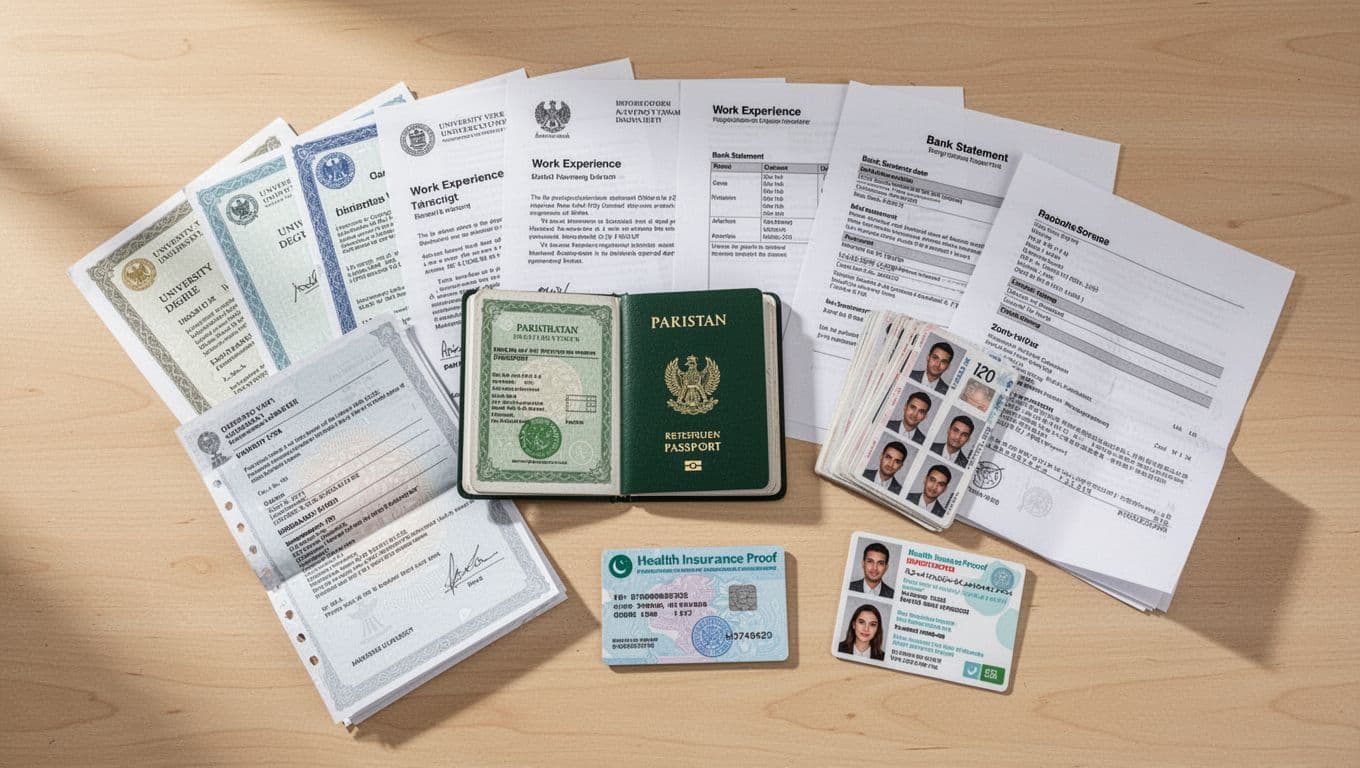
Core documents most applicants from Pakistan will need
Requirements can vary by visa type, but most Pakistani applicants prepare a similar core set:
- Valid Pakistani passport: Keep at least six months validity to avoid last-minute issues.
- Visa application forms: Some categories use online submission steps, so follow the category instructions carefully.
- Biometric photos: Use fresh photos that meet the visa photo standard.
- CV (resume): A German-style CV can help, especially if it’s clean and factual.
- Education documents: Degrees and transcripts matter because your qualification drives eligibility.
- Work experience letters: Use letters that confirm your title, duties, dates, and full-time or part-time status.
- Job contract or job search plan: Skilled Worker and Blue Card applications need a contract. Opportunity Card and Job Seeker cases should include a clear job hunt plan.
- Health insurance proof: Provide the required coverage for entry, plus longer coverage if your route requires it. Travel insurance is often shown with €30,000 coverage for the visa period.
- Proof of funds: This could be bank statements (often recent months), proof of a blocked account, salary slips, or a sponsor type declaration if accepted.
- Language certificates (if used): For Opportunity Card criteria, language proof can matter (for example, A1 German or B2 English as referenced in current guidance).
- Pakistani supporting documents: Some checklists request CNIC copy and a Family Registration Certificate (FRC) color copy for family details.
If you need an FRC, use a reliable process, because errors there cause stress later. This guide can help: NADRA Family Registration Certificate for visa applications.
Also plan for translations and attestations if your appointment instructions ask for them. Don’t translate everything by default. Translate what the category checklist requests, because each extra step costs time.
How to prove your qualification is recognized in Germany
Germany cares about recognition because the work permit is tied to skill level. In simple words, Germany wants to confirm your degree or vocational training is equivalent to a German qualification.
“Equivalent” doesn’t mean identical course names. It means your program level, duration, and content match what Germany expects for that profession. This step can take time, so start early.
If your visa route requires recognition proof, treat it like a required document, not a “nice to have.” Bring printed proof to your appointment, and also keep a digital copy ready. If you’re applying as a skilled worker, the consular officer may compare your job role to your recognized qualification. A mismatch can lead to extra questions or delays.
For IT roles, Germany has also allowed certain experienced specialists to qualify with strong experience even without a classic degree in some cases. Still, you should expect scrutiny. Clear experience letters, realistic duties, and consistent timelines help.
Apply from Pakistan step by step, from online form to biometrics
Once your route and documents are ready, the process becomes straightforward. The key is to apply under the correct category and present a clean case.
Many applicants start online through the Consular Services Portal (digital.diplo.de), then attend an in-person appointment for biometrics. Depending on your location and category, you may also use appointment options through German missions in Pakistan, including the German Consulate-General in Karachi (and in some cases Islamabad, based on category and jurisdiction).
Book the right category, submit your application, and attend your appointment
Follow the steps in order so you don’t waste weeks in the wrong queue:
- Choose the correct visa category: Typical categories include skilled worker with a degree, skilled worker with a vocational qualification, EU Blue Card, Job Seeker Visa, or Opportunity Card (Chancenkarte).
- Complete the online steps (if required): Upload documents where the category asks for them. Don’t combine unrelated pages into messy files.
- Book your appointment: Pick the location and category that matches your case. If you book the wrong type, you may be turned away.
- Pay the visa fee: Fees can vary by visa type and mission. The Opportunity Card fee is €75 per current guidance.
- Attend the appointment and give biometrics: You’ll submit documents and provide fingerprints and a photo.
- Keep proof of submission: Save your appointment confirmation, receipts, and any reference numbers.
Small details can prevent rejection. Make sure the job contract is readable and complete. Confirm salary and weekly hours are clearly stated. If you’re using bank statements, show consistent balances and clear sources of funds. For blocked accounts or sponsor proof, bring the official confirmation, not just screenshots.
Think like the officer: your file should answer questions before they’re asked.
Processing times, after-approval steps in Germany, and what to do if you get refused
Processing times vary, but current guidance commonly cites 2 to 3 months after biometrics for many work and search routes. Some cases move faster, while regulated professions and recognition issues can take longer.
After approval, your visa lets you enter Germany and complete the final steps on German soil. Your first week matters. Handle these tasks early, because delays can affect your residence permit timeline:
- Register your address within 2 weeks at the local registration office (often called the Einwohnermeldeamt or Bürgeramt, depending on city).
- Book the immigration office appointment (Ausländerbehörde) to receive your residence permit card and confirm your work authorization conditions.
- Keep insurance active and carry your registration confirmation, because offices often request it.
If you get refused, stay calm and read the refusal letter carefully. Officers usually point to the gap, such as weak funds proof, missing recognition evidence, unclear job duties, or documents that don’t match. Fix the exact issue, then reapply, or follow the appeal instructions listed in the refusal notice if that’s the better route for your case.
Most importantly, don’t reapply with the same file. Change what needs to change, and make it obvious.
Conclusion
Getting a Germany work permit visa from Pakistan is manageable when you follow a simple plan. First, choose the right route, either a job-offer visa (Skilled Worker or EU Blue Card) or a search visa (Opportunity Card or Job Seeker). Next, confirm your qualification recognition early, because that step can take time. Then prepare solid proof of funds and health insurance, apply through the portal or your consulate appointment, and complete biometrics. After landing, register your address within two weeks and move quickly to the residence permit.
Your best next move is practical: start collecting documents this week, fix name inconsistencies, and book the correct appointment category as soon as you qualify. The earlier you build your file, the smoother your Germany plan becomes.
Visa
Qatar Visa for Pakistanis (February 2026): Visa on Arrival Rules, Hayya eVisa, and Backup Options
Planning a trip to Doha from Pakistan can feel simple, until you hit the fine print at the airport. In February 2026, most Pakistanis enter Qatar using a conditional visa on arrival, but only if they meet specific requirements. The two items that cause the most trouble are a Discover Qatar hotel booking and a polio vaccination certificate.
This guide breaks down the main Qatar visa options for Pakistanis, what to prepare before you fly, and what to do if your plan changes. Rules can shift, sometimes quickly, so always re-check official updates on Hayya, Visit Qatar, and Qatar’s Ministry of Public Health before departure.
Your main choices for a Qatar visa for Pakistanis in 2026

For most travelers, the decision is about timing and certainty. One route lets you arrive with the right documents and get approved at the airport. The other gives you a decision before you board.
In plain terms, these are the most common paths:
- Visa on arrival (conditional): Best for short tourism and quick plans, if you can meet every requirement.
- Hayya eVisa (A1 tourist, A3 entry): Best when you want pre-approval, or you’re not 100% sure you can meet visa on arrival rules.
- Sponsor-based visas: Best for work, family sponsorship, study, or longer stays, arranged through official channels.
Think of visa on arrival like showing up to a hotel with a reservation and ID. If anything doesn’t match, the front desk can say no. Hayya eVisa is closer to getting a confirmation message before you even leave home.
Visa on arrival for Pakistanis, who qualifies and what you get
Pakistanis do not have visa-free entry to Qatar. However, Pakistani passport holders can qualify for a visa on arrival if they meet Qatar’s conditions and carry the right documents.
When approved, the stay is usually up to 30 days. In many cases, you can extend once for another 30 days (total 60 days), but extensions can involve extra steps and fees.
Expect checks before immigration. At Hamad International Airport, staff may direct you to a Discover Qatar counter to review your booking and documents first. After that, you proceed to immigration for entry.
Also note the cost. Current guidance indicates a QAR 100 visa fee may apply at the airport for visa on arrival processing. Because rules and fees can change, confirm the latest requirement before flying.
Hayya eVisa (A1 tourist, A3 entry) and when it’s the safer pick
Hayya is Qatar’s official online entry platform (website and app at hayya.qa). For many Pakistanis, Hayya eVisa feels safer because you get an approval decision before travel, not at the airline counter.
Hayya options can include A1 (tourist) and A3 (entry) categories, depending on your purpose and eligibility. Permissions are commonly issued for around 30 days, with conditions that can vary by case.
Apply early when you can. Several weeks ahead is a sensible buffer, especially during peak travel months. Fees can apply after approval, and you should budget for that in your travel plan.
If you’re worried about missing a visa on arrival requirement (like the exact hotel booking rule), Hayya often reduces last-minute stress.
Visa on arrival checklist that Pakistanis must meet before boarding
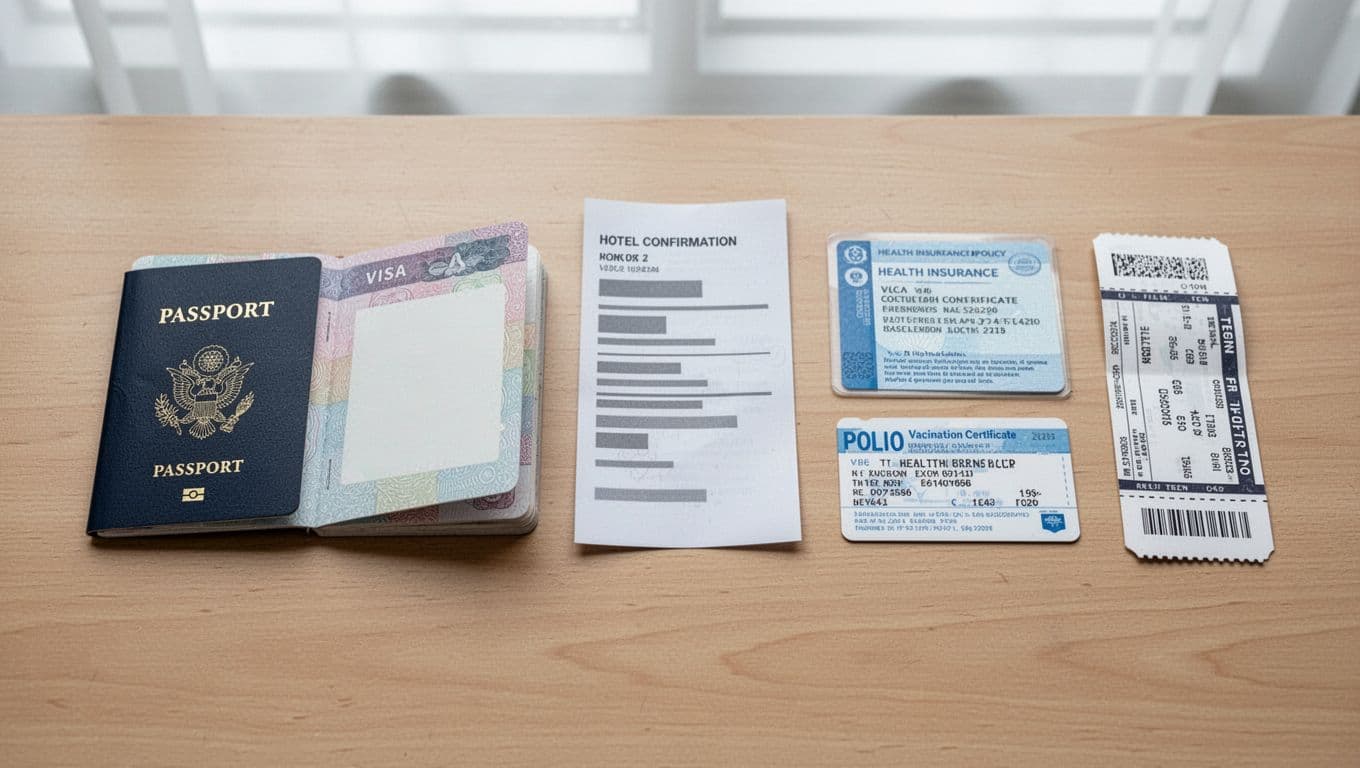
Visa on arrival is unforgiving. Small mistakes can lead to denied boarding or refusal at arrival. Prepare your documents like you’re preparing for an exam, the basics must be correct.
Focus on the requirements that airlines and airport staff check most often: hotel booking channel, name match, polio proof, insurance acceptance, passport validity, and return ticket.
If you can’t prove a requirement at check-in, the airline can refuse boarding. Fixing it at the gate is rarely possible.
Discover Qatar hotel booking, the rule that trips most people up
For Pakistani travelers using visa on arrival, Qatar requires a hotel booking made through Discover Qatar. A booking from a third-party site may not count for this specific rule.
Name matching is where many people slip. The traveler name on the Discover Qatar reservation must match the passport exactly, including spacing and order. For example, if your passport shows “MUHAMMAD AHMAD KHAN,” don’t book “Muhammad Khan” and hope it passes.
A few practical tips help avoid drama at the counter:
Book early because Discover Qatar options can sell out during busy periods. Save the confirmation as a PDF on your phone, and also carry a printed copy. Keep your booking reference handy, since staff may ask for it quickly. Before you pay, double-check spelling against your passport bio page, letter by letter.
If you’re traveling as a family, make sure each traveler appears correctly, not just the main booker.
Polio vaccination certificate, passport validity, insurance, and return ticket
Besides the hotel rule, these items often decide whether you fly or stay behind:
- Passport validity: Your passport should be valid for at least 6 months at the time of entry.
- Polio vaccination certificate: Travelers from Pakistan must carry proof of polio vaccination. Don’t pack it in checked baggage.
- Return or onward ticket: Keep a confirmed ticket showing you will leave Qatar within the allowed stay.
- Travel health insurance: You must have health insurance from a provider approved by Qatar’s Ministry of Public Health (MOPH). If your policy isn’t on the approved list, buy one that is.
To reduce last-minute searching, keep a small “entry folder” (paper or digital) with: passport copy, visa application screenshots (if any), hotel confirmation PDF, insurance certificate, polio certificate photo, and one emergency contact number written on paper.
How to apply and what to do if your plan changes

A good plan has a backup. Start with the option you’re most likely to satisfy, then keep a second path ready in case a requirement becomes hard to meet.
Step-by-step: entering Qatar on visa on arrival at Doha airport
Follow this order to avoid the common traps:
- Book your hotel via Discover Qatar, and confirm the name matches your passport.
- Get your polio vaccination certificate, and keep it in your carry-on.
- Buy approved Qatar health insurance, and save the certificate as a PDF.
- Confirm your return or onward ticket, and keep the booking confirmation accessible.
- Fly to Doha with documents organized in one folder (paper plus phone).
- At Hamad International Airport, go to the Discover Qatar counter if directed.
- Proceed to immigration for your entry stamp once staff clears your documents.
Internet can fail at the worst time. Because of that, printed copies still save minutes, and sometimes save trips.
If you can’t meet VOA rules, pick Hayya or a sponsor-based visa
If any visa on arrival requirement won’t be ready in time, switch early. Hayya eVisa (A1 or A3) is often the cleanest fallback, since it gives you pre-approval before travel.
For longer or purpose-based stays, use a sponsor-based visa through the correct channel, such as an employer for work, a family sponsor for visits, or an institution for study. These routes have different paperwork and timelines, so don’t assume they work like tourism entry.
Watch for these red flags, since they commonly trigger refusal: hotel booking not made on Discover Qatar, missing polio certificate, insurance not accepted by MOPH, and passport validity under 6 months.
Conclusion
For most travelers, the best default Qatar visa for Pakistanis in February 2026 is the conditional visa on arrival, as long as you meet every requirement. The non-negotiables are a Discover Qatar hotel booking with an exact name match, a polio vaccination certificate, a passport valid for 6 months, approved health insurance, and a return or onward ticket.
Rules can change, so check Hayya and Visit Qatar updates close to departure. Next, make a simple checklist and confirm every document 48 hours before your flight. That small habit prevents most airport surprises.

Sales Officer Jobs in Pakistan 2026 – Noor Enterprises Hiring in Peshawar, Lahore & Karachi

Assistant Manager Engineering Jobs in Peshawar 2026 – Apply Online

Manager Sales – Medical Devices & Surgical Disposables Jobs in Peshawar 2026 – Apply Now

A New Era in Space Exploration: Pakistan’s First Lunar Mission Takes Flight

How to Get Your Family Registration Certificate (FRC) NADRA in 2025

Sell your class notes| Online earning in Pakistan for students
-

 Online earning2 months ago
How to Create a Wise Account From Pakistan (2026): What Works, What Doesn’t, and Safer Options
-

 Online earning2 months ago
Best Online Earning Websites in Pakistan 2026 (Real, Legit, No Shortcuts)
-

 Balochistan Jobs3 weeks ago
BPSC Jobs 2026 – Advertisement No. 02/2026 Apply Online
-
 How-To Guides2 months ago
How to Transfer Money From Payoneer to JazzCash or Easypaisa (2026): Fees, Limits, and Processing Time
-

 How-To Guides1 month ago
How To Convert Physical SIM To eSIM On iPhone (2026 Updated Guide)
-
Online earning2 months ago
PayPal Account in Pakistan (2026): Legal Ways to Receive Payments, Best Alternatives, and Withdrawal Options
-
 Visa1 month ago
Qatar Visa for Pakistanis (February 2026): Visa on Arrival Rules, Hayya eVisa, and Backup Options
-
 Balochistan Jobs3 weeks ago
Communication & Works Department Quetta Jobs 2026 – Latest Government Jobs in Balochistan