

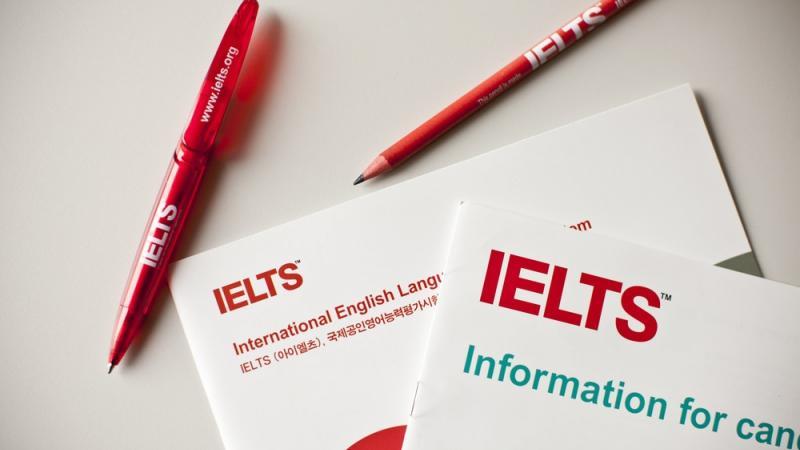
IELTS, or the International English Language Testing System, is a widely recognized test of English proficiency for non-native speakers. Achieving a score of 7 bands in IELTS is considered to be a high level of proficiency and can open many doors for career and education opportunities.
Preparing for the IELTS can be a daunting task, but with the right approach and dedication, it is possible to achieve a high score in your first attempt.
Ielts Preparartion:
- Understand the test format: Familiarize yourself with the structure of the test, including the four sections (reading, writing, listening, and speaking) and the scoring system. This will give you a clear idea of what to expect on test day and help you develop a study plan.
- Build your vocabulary: A strong vocabulary is essential for doing well on the IELTS. Make a list of common IELTS vocabulary and practice using these words in context.
- Practice reading: The reading section of the IELTS is designed to test your ability to understand and interpret a variety of written texts. Practice reading academic texts and articles, and take note of any words or phrases that you don’t understand.
- Practice writing: The writing section of the IELTS requires you to write two essays, one of which must be at least 250 words in length. Practice writing essays on a variety of topics and focus on improving your grammar, vocabulary, and sentence structure.
- Practice listening: The listening section of the IELTS requires you to listen to recordings of native speakers and answer a series of questions. Practice listening to different types of recordings, such as lectures, speeches, and conversations, and take note of any words or phrases that you don’t understand.
- Practice speaking: The speaking section of the IELTS requires you to engage in a conversation with a certified IELTS examiner. Practice speaking on a variety of topics and focus on improving your pronunciation, fluency, and ability to express yourself.
- Time management: IELTS is a time-bound exam, so it’s important that you manage your time effectively. Practice taking the test under timed conditions and use techniques such as skimming and scanning to help you work through the reading and listening sections more efficiently.
- Take a practice test: Taking a practice test is a great way to familiarize yourself with the test format and to identify areas where you need to focus your studies.
- Get a good night’s sleep before the test: Being well-rested will help you to perform at your best on test day.
- Stay positive: Finally, stay positive and don’t get discouraged if you don’t do as well as you hoped on a practice test. Remember that the IELTS is just one test and that your score does not define you as a person. Keep studying and practicing and you will be well on your way to achieving a high score in your first attempt.
In conclusion, achieving a high score on the IELTS requires a combination of knowledge, skills, and preparation. By understanding the test format, building your vocabulary, practicing reading, writing, listening and speaking, managing your time effectively, taking practice test, getting a good night’s sleep before the test and staying positive, you will be well on your way to achieving a score of 7 or higher on the IELTS in your first attempt
For More Guidance and preparation kindly visit BEST IELTS preparation